


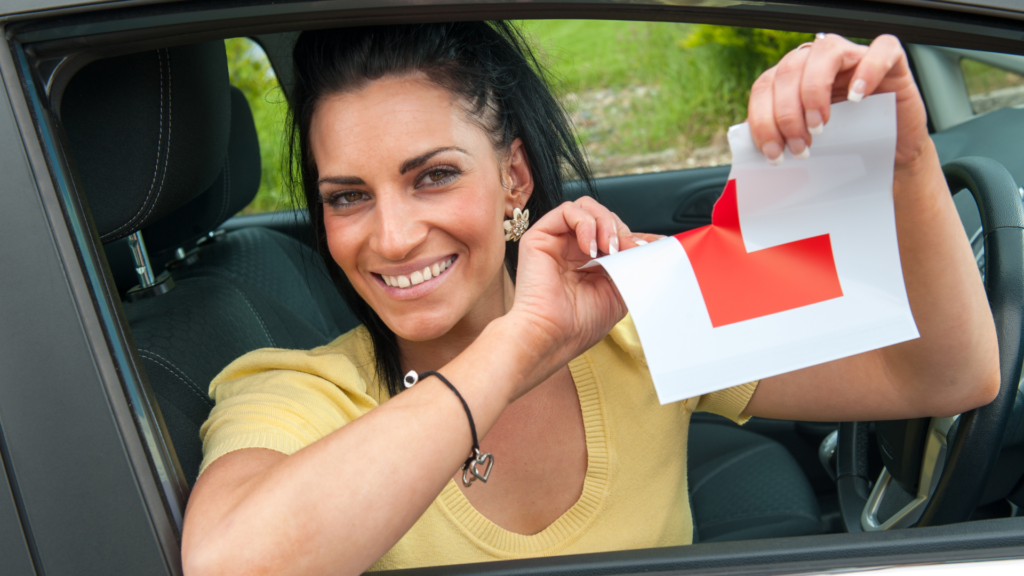
It’s a rite of passage that everyone will want to go through at some point or another. But when you are facing the prospect of going through your practical UK driving test, there is no doubt at all that it can be quite a nerve-cracking feeling. However, the good news is that it’s perfectly possible to pass your test with flying colours, as long as you bear the following pointers in mind.
In this post, we are going to help you to be much more likely to pass your UK driving test first time around. Follow these steps, and you are bound to pass in no time.
Start Learning
The first thing you need to do, of course, is to start taking some driving lessons. For that, you are going to need a UK provisional licence. You can get this licence to start learning how to drive a car from the age of 17 onwards. Having this licence means that you are now legally allowed to drive a car, as long as there is someone else in the vehicle who is either:
- A qualified driving instructor, or
- An individual over the age of 21, who has been driving for at least 3 years.
With that licence in place, you are now ready to start learning. So how do you go about doing that?
Find An Instructor
You will need to find yourself an instructor who can teach you to drive, and that person will have to be someone you trust who you think can genuinely help you. It’s best to go for a service that has a good track record, with lots of previous students successfully passing their tests, as well as having a decent reputation in your local area. Remember that you are able to change instructors whenever you like, should you find that you don’t get on with your current chosen one.
Set Up Lessons
You should then set up some lessons with that instructor, and this can be as regular as you like. Most people tend to have a driving lesson every week, but you could do more – or less – if you prefer. But remember: you will pass your test a lot sooner the more lessons you have. You might even want to try out a crash course in driving, if you want to learn as quickly as possible. However, that is by no means necessary in order to pass your test.
Manual Or Automatic?
There is a debate around whether you should learn to drive a manual or automatic transmission car. It is of course up to you, but the main thing to be aware of is that if you learn to drive an automatic, you can only legally drive automatic cars – whereas if you learn to drive manual, you can drive both manual and automatic cars.
Automatic cars can be really useful in some circumstances, for instance if you have certain disabilities. But if you don’t, and you just want to give yourself the best chance out on the roads, it’s usually best to learn to drive a manual, as it gives you a lot more options throughout your driving life.
Approaching Your Lessons With The Right Mindset
The way that you approach your lessons from the outset is really important, as it allows you to make sure that you are as likely to pass your test as possible. So you are going to need to make sure that you are thinking about this from the first lesson. Now, at first, you are likely to be quite nervous. That is normal and natural, and nothing to worry about. However, part of learning to drive is learning how to manage your nerves. So it’s not a bad idea to take a few deep breaths at the start of the lesson, to help you.
Hopefully it should go without saying that you shouldn’t be under the influence of any drugs or alcohol when you take your lessons, or indeed whenever you are behind the wheel of a vehicle of any kind. You should also generally try to set yourself up for success, which means getting lots of sleep the night before a lesson, eating well, and generally doing all you can to be alert as you drive.
After that, it’s just a matter of keeping calm and being keen to learn. Be patient with yourself, and remember that it is a learning curve. Ultimately, it doesn’t matter how long it takes to pass your test.
When Are You Ready To Pass Your Test?
This is a hard one to gauge, but you will get to a place where you are growing in confidence and you have all the necessary knowledge to pass the test. You should speak with your instructor. They will know whether or not you are in a position to think about taking the test, and you should take their professional opinion seriously in this respect.
When you are ready, study for and take your theory test. Once you have passed that, you have two years to take and pass your practical test, otherwise you’ll have to retake the theory.
Increasing Your Chances Of Passing The Practical Test
So what can you do to increase your chances of passing your practical driving test? Here are a few pointers that might help:
- Only take the test when you and your instructor think you are ready.
- Be on time to the test.
- Prepare well on the day – sleep well, eat a good breakfast.
- Have a lesson just beforehand to get into the right frame of mind – and to get a last-minute pep-talk from your instructor!
- If possible, use the instructor’s car.
- Keep calm and go slow.
- Exaggerate the minor checks – the examiner will be looking out for these, so make it clear you are checking your mirror etc..
- Listen at the end.
- If you fail, remember it doesn’t matter – you will have another chance!
And there you have it. If you can remember all that, you should find that you pass your test in no time.